A Singapore-based oil company, Interra Resources, is under growing international scrutiny over allegations that its operations in Myanmar may have helped fund the country’s military junta, raising concerns about possible violations of international law.
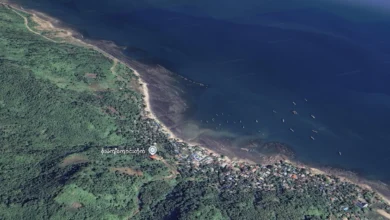
Interra Resources, which operates in central Myanmar’s Magway Region through a joint venture called Goldpetrol, owns a 60% stake in oil fields located in the state’s Chauk and Yenangyaung townships.
According to Justice For Myanmar (JFM), a rights watchdog group, the company supplied over two million barrels of oil, worth more than US$ 150 million, from these fields to the state-owned Myanma Oil and Gas Enterprise (MOGE), which is controlled by Myanmar’s military regime.
The United States imposed financial sanctions on MOGE in October 2023, in an effort to “degrade the regime’s ability to purchase weapons to carry out atrocities against the people of Burma.” This followed EU sanctions on MOGE in February 2022.
The claims against Interra were detailed in a report released by JFM in January, which accused the company of being “complicit in the junta’s international crimes.” In response, Interra suspended trading on the Singapore Stock Exchange (SGX) on February 6 and announced it would seek legal advice to determine if its actions might have violated foreign laws, including international sanctions.
Earlier this month, Interra stated that its legal advisers had found no breach of US or European Union sanctions, and concluded that any risk of violating these sanctions was minimal. However, the company has not released the full legal opinion and did not respond to Myanmar Now when asked for a copy.
Interra’s approach to its legal review has drawn criticism from international barrister Dr. Felicity Gerry KC, who says the company has not fully addressed concerns about its international legal and human rights responsibilities.
“Interra appears to have pursued a narrow legal opinion on sanctions compliance rather than engaging with the broader spectrum of international legal obligations relevant to operating in Myanmar,” Dr. Gerry said in an interview with Myanmar Now.
She warned that by continuing oil production in Myanmar, Interra could be indirectly supporting the military regime and contributing to ongoing harm against civilians.
“Companies complicit in or facilitating human rights abuses must be held to account and must be seen to embrace accountability,” she added.
Dr. Gerry has a history of raising legal and ethical concerns about companies operating in Myanmar. She previously co-authored a legal memorandum with fellow barrister Daye Gang about another Singapore-listed firm, Emerging Towns and Cities, which developed a property project in Yangon on land leased from the Myanmar military. That memo, published by JFM, warned that allowing such companies to remain listed on the SGX could expose both the exchange and the Singaporean government to legal liability under international law.
Dr. Gerry is now warning that Interra’s continued listing on the Singapore Stock Exchange could create similar risks and harm Singapore’s global reputation.
“Allowing companies with links to authoritarian regimes and potential atrocity crimes to list can damage investor confidence, undermine Singapore’s credibility in ESG [Environmental, Social, and Governance] regulation, and expose the exchange to complicity in violations of international law,” she explained.
She emphasized that SGX, as a key financial institution, has a responsibility to uphold human rights by implementing stronger oversight policies and procedures.
Both Interra Resources and the Singapore Exchange declined to comment on the allegations when approached by Myanmar Now.